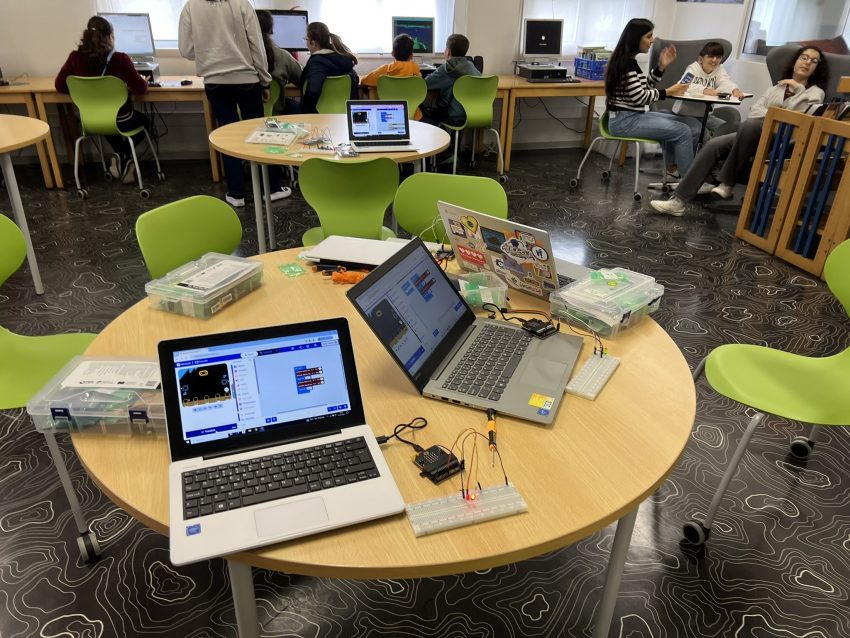
This course is a transformative initiative designed for teachers who wish to modernise their teaching practices and prepare students for the challenges of the 21st century, with a comprehensive programme that combines technology with the discovery of cultural heritage.
Participants will learn how to integrate applications, educational software, online platforms, and artificial intelligence into their teaching practice through workshops that will enable the development of practical projects, promoting dynamic and inclusive learning environments.
In addition to its technological focus, the course includes components of local and regional cultural heritage. Various cultural activities and visits are planned to enrich the participants’ experience.
This course offers an excellent opportunity for teachers to become agents of change in their educational communities. Combining cutting-edge technology with local culture, promoting innovative and culturally rich education and inspiring the next generation of innovators and creative thinkers.
Main Objectives:
- Promote the integration of digital tools in teaching, enhancing innovative and interactive methodologies that improve the learning process.
- Develop digital skills in teachers, focusing on the use of relevant educational platforms, software, and applications.
- Encourage the sharing of good teaching practices among teachers from different countries, taking advantage of the cultural and educational diversity provided by the Erasmus programme.
Objectives for the topic: 3D printing
1- Understand the fundamentals of 3D printing technology and its educational applications:
- Explore the basic principles of 3D printing
- Develop practical skills in the use of 3D modelling software (Tinkercad) and the preparation of models for printing
- Become familiar with easy-to-use 3D modelling software
- Develop strategies for integrating 3D printing into the curriculum and interdisciplinary projects
- Explore examples of successful educational projects that incorporate 3D printing
2- Develop practical skills in using 3D modelling software and preparing models for printing:
- Become familiar with easy-to-use 3D modelling software
- Learn how to prepare and optimise 3D models for printing
- Practise creating simple 3D objects related to curriculum content
3- Develop strategies for integrating 3D printing into the curriculum and interdisciplinary projects:
- Explore examples of successful educational projects that incorporate 3D printing
- Develop ideas for project-based learning activities using 3D printing
- Plan the implementation of 3D printing projects tailored to the specific contexts of the participants
Objectives for the topic: Artificial Intelligence and Generative AI
1- Understand the fundamentals of Artificial Intelligence and Generative AI and their implications for education:
- Explore the basic concepts of AI and Generative AI
- Identify the main applications of AI and Generative AI in the educational context
- Analyse the potential impact of these technologies on teaching and learning
2- Develop practical skills in using AI and Generative AI tools for educational purposes:
- Become familiar with AI platforms and applications accessible to teachers
- Learn how to use Generative AI tools to create educational content
- Practise integrating AI into classroom activities
3- Develop strategies to incorporate AI and Generative AI into the curriculum, while promoting critical thinking and digital literacy:
- Explore pedagogical approaches that integrate AI in an ethical and responsible manner (copyright)
- Develop lesson plans that use AI to enhance personalised learning
- Create strategies to teach students about AI (potential and limitations)
Objectives for the topic: Programming and Creative Robotics
1. Understand the fundamentals of programming and creative robotics and their educational potential:
- Explore the basic concepts of programming and computational thinking
- Identify the main platforms and tools for educational robotics
- Analyse the impact of programming and robotics on the development of 21st-century skills
2. Develop practical skills in the use of programming and robotics tools appropriate to the educational context:
- Become familiar with visual programming environments (Scratch, Mind+, Makecode, among others)
- Learn to program and control simple educational robots
- Practise creating interdisciplinary projects that integrate programming and robotics
3. Develop strategies to integrate programming and creative robotics into the curriculum and extracurricular activities:
- Explore project-based and problem-solving teaching methodologies
- Develop lesson plans that incorporate programming and robotics into different subjects
- Create strategies to promote creativity, collaboration, and critical thinking through educational robotics
Prerequisites
- Proficiency in simple English (A2 or above)
- Be a teacher
Meet the Trainers:
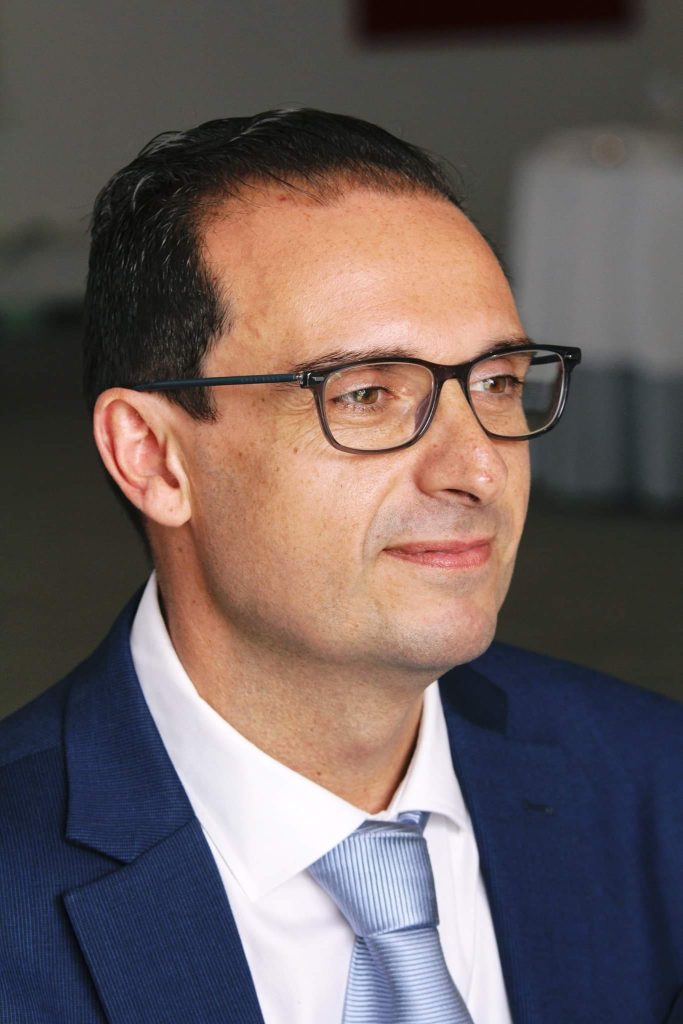
Pedro Moura, English and German teacher and trainer of teachers and non-teaching staff in technology and digital skills. He was a teacher-librarian for 16 years. He is also an eTwinning and Erasmus mentor.
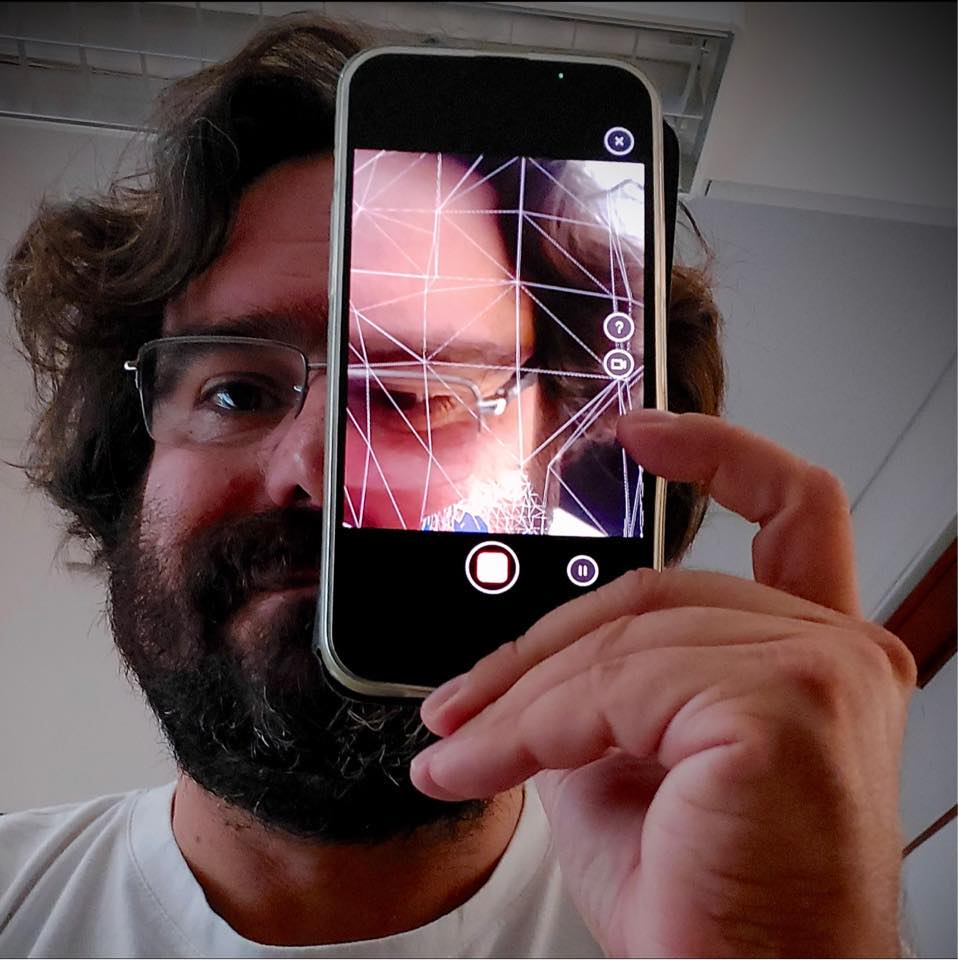
Artur Coelho is an ICT and Arts teacher, trainer of teachers in 3D, AI, coding and robotics. Member of the Maker community, author of Robótica Criativa textbooks, EU Codeweek Leading Teacher for Portugal, and a person who positevely adores tinkering with technology,